Applied AI & LLM Engineering
Reliable LLM features inside your product
We integrate large language models into real products — retrieval-augmented generation, semantic search, structured outputs and conversational memory — with the evaluation and cost controls production needs.
Capabilities
- LLM integration
- OpenAI, Anthropic Claude and Gemini integrations
- Retrieval-Augmented Generation (RAG)
- Semantic search
- Context engineering
- Structured outputs
- Conversational memory
- AI evaluation
- Model cost and latency optimisation
Who it's for and what it solves
Who it's for
- Product teams adding AI features to an existing application
- Companies that want answers grounded in their own documents and data
- Teams whose first LLM feature works but is unreliable, slow or expensive
Problems we solve
- Answers that sound right but aren't grounded in your data
- Unstructured model output that is hard to use safely in application logic
- No way to tell whether a prompt or model change made quality better or worse
- Token costs and response times that grow faster than usage
How we'd solve it
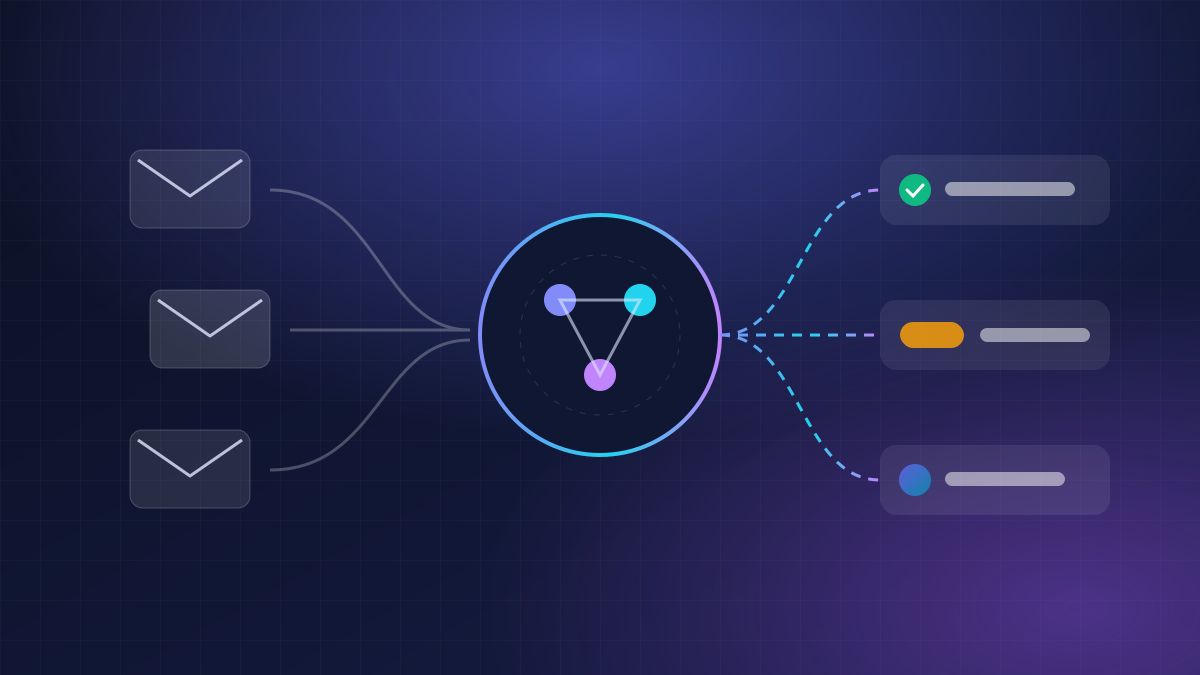
We design the context the model sees — retrieval, ranking, conversation state and instructions — so answers are grounded in your sources and traceable back to them.
Outputs are validated against schemas before your application uses them, and every AI feature ships with an evaluation set, so changes to prompts or models are measured rather than guessed. Caching, model routing and token budgets keep cost and latency predictable.
Assess
Ground
Constrain
Measure
Typical use cases
Knowledge assistants
Semantic search
Extraction & classification
In-product generation
What you receive
- Integration architecture and data-flow design
- Retrieval pipeline (ingestion, chunking, embeddings, ranking) where relevant
- Typed, schema-validated model interfaces
- Evaluation dataset and automated quality checks
- Cost, latency and usage monitoring
- Documentation and handover
Tools we commonly use
Chosen per project for quality, cost, maintainability and your existing stack.
- OpenAI
- Anthropic Claude
- Google Gemini
- LangChain
- LlamaIndex
- pgvector
- Pinecone
- Weaviate
- Python
- TypeScript
- PostgreSQL
Applied AI & LLMs questions
Is our data used to train the model?
Do we need a vector database?
How do you prevent hallucinations?
Let's talk about your applied ai & llms project
Tell us about the problem you're solving. We'll reply with practical next steps — whether that's a short discovery call, a prototype, or advice on whether AI is the right fit at all.