AI Agents & Agentic Systems
Agents that use tools safely, with humans in the loop
We design and build AI agents that plan, call tools and APIs, and hand off to people when they should — with state, guardrails, monitoring and evaluation built in from the start.
Capabilities
- Agent orchestration
- Multi-agent architectures
- Tool calling
- Model Context Protocol (MCP) integrations
- Human-in-the-loop workflows
- Agent memory and state management
- Guardrails and fallback strategies
- Agent monitoring and evaluation
Who it's for and what it solves
Who it's for
- Operations teams with multi-step work that spans several systems
- Product teams building assistants that take actions, not just answer questions
- Engineering teams that need agents to be observable and controllable
Problems we solve
- Multi-step processes that need judgement, not just fixed rules
- Agents in demos that loop, call the wrong tool, or act without approval
- No visibility into what an agent did, why, or how much it cost
- Tools and data locked in systems the agent can't safely reach
How we'd solve it
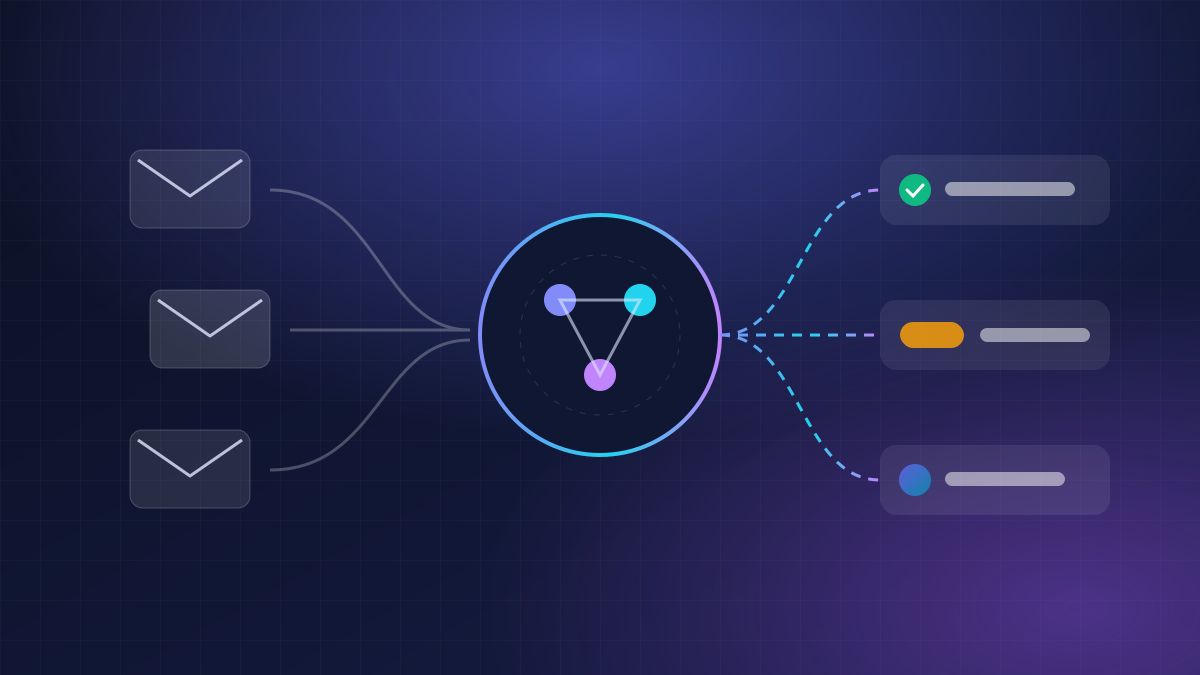
We start with the narrowest agent that solves the problem — often a single agent with a few well-defined tools — and only add planning layers or multiple agents when the task needs them.
Every action an agent can take is explicit, permissioned and logged. Sensitive steps route to a person for approval, failures fall back to safe defaults, and evaluation runs track task success over time.
Scope
Build narrow
Harden
Expand
Typical use cases
Research & triage agents
Operations agents
Customer-facing assistants
MCP tool servers
What you receive
- Agent architecture with tool and permission design
- Agent implementation with state and memory management
- Human approval and escalation flows
- Guardrails, retries and fallback behaviour
- Tracing, cost tracking and evaluation suite
- Runbook for operating and extending the agent
Tools we commonly use
Chosen per project for quality, cost, maintainability and your existing stack.
- OpenAI Agents SDK
- Anthropic Claude
- LangGraph
- PydanticAI
- Model Context Protocol
- Python
- FastAPI
- TypeScript
- PostgreSQL
- Redis
AI Agents questions
Should we use one agent or several?
How do you keep agents from taking harmful actions?
What is the Model Context Protocol?
Let's talk about your ai agents project
Tell us about the problem you're solving. We'll reply with practical next steps — whether that's a short discovery call, a prototype, or advice on whether AI is the right fit at all.